
Acacia vs Teak Cutting Boards for Wholesale Buyers
A practical comparison of natural appearance, timber documentation, grain construction, finishing and sourcing considerations.
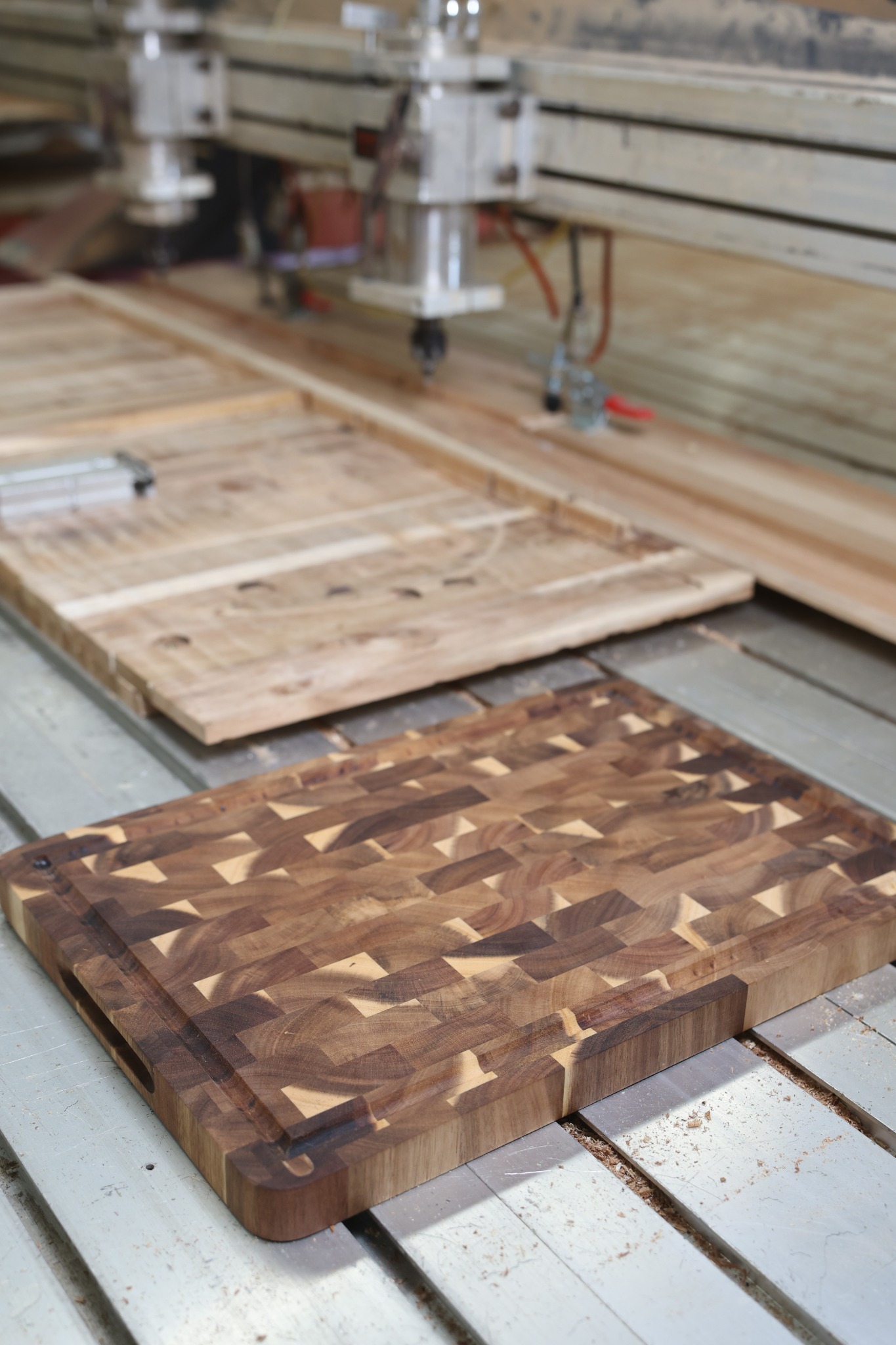
Choosing wood for your wholesale cutting board collection.
Acacia and teak can both be manufactured into chopping boards, serving boards and private-label kitchenware. Selecting the right material depends on intended customer use, product positioning, accepted wood variation, engineering requirements and the import documentation required in your destination market.
Buyers comparing factory quotations should keep the technical specification, order quantity, branding and packing scope consistent. A photograph cannot show the full production standard, and a low unit price may refer to a different material, construction or finished thickness.
1. Natural grain and visual identity
Acacia often displays pronounced contrast between lighter and deeper brown grain. This variation can be appealing in retail kitchenware, but it is important to approve an acceptable visual range. Expect differences between individual natural boards rather than identical grain patterns.
Teak has a different characteristic appearance and sourcing profile. Buyers should review actual material samples and the available production-lot grain and color range. The appearance of teak offered by different sources is not necessarily identical.
2. Construction drives performance and cost
Manufacturers can review face-grain, edge-grain and end-grain formats depending on timber and project feasibility. End-grain butcher-block boards generally require additional cutting, bonding, surfacing and finishing operations compared with simpler designs. Compare similar constructions rather than a thin prep board against a thick chopping block.
Dimensioned drawings should include length, width, finished thickness, corner radii, edge profile, juice grooves, finger grips, handle holes and logo placement. The approved sample should establish an achievable reference for subsequent orders.
3. Material origin and timber documentation
Request accurate species information, country of origin or harvest where relevant, and traceability evidence appropriate to the specific proposed batch. Teak may require particular attention to timber sourcing and legality requirements in certain destination markets. Requirements vary by country, classification, and relevant implementation dates; confirm with a customs broker or qualified compliance specialist.
A generic sustainability claim or certificate bearing another scope is not a substitute for documentation covering the actual article, supply chain or shipment. Agree on required evidence before purchase order approval.
4. Food-contact use and finishes
Define whether the board is intended for everyday food preparation, knife use, or serving and presentation. Coatings, oils, care guidance and product testing needs can differ. A food-contact result for one finish does not automatically apply to every coating and product construction; establish the requested report scope for the destination.
5. OEM branding and packaging
Custom logo engraving, label placement, paper sleeves, kraft boxes, protective inserts and export master cartons should all be part of the quotation brief. Printed packaging may require a separate production minimum. Agree artwork size and barcode requirements at the sample stage to avoid late changes.
| Buyer consideration | Acacia cutting boards | Teak cutting boards |
|---|---|---|
| Visual appearance | Often marked light-to-dark natural grain variation | Distinctive teak look; approve offered batch appearance |
| Construction | Face/edge grain and reviewed end-grain options | Construction subject to wood availability and approved design |
| Documentation | Confirm species and importing-market requirements | Pay particular attention to sourcing and traceability evidence |
| Quotation | Compare equal dimensions, quantity, finish, branding, packing and delivery terms | |
How to compare sample quotations
Prepare a common RFQ with dimensions, construction, material, target quantity per SKU, intended use, finish, marking position, retail pack, destination, delivery term and required documents. Ask about practical production lead time after sample and artwork approval. Standard programs and mixed-SKU pilot orders should be evaluated against actual design and packing requirements.
See our acacia board collection, teak cutting board manufacturing, importer buyer guide and wholesale sourcing resources. Ready to source? Request a quotation.
Discuss your next cutting board collection.
Send your drawing, dimensions and target quantity. We will review your technical and commercial requirements.